
Ask ten people about the best time to visit Punta Cana and you will get ten different answers, because they are optimizing for different things. The driest weather, the lowest prices, the calmest sea and the emptiest beaches do not all happen in the same month. What follows is how the year actually breaks down here, written by people who live through all twelve months of it, with the drawbacks of each season stated plainly instead of glossed over.
The short answer
If you want the most reliable weather and do not mind crowds or cost, come between December and April. If you want the best value and can accept some rain and a small hurricane risk, come in May, or late November and early December. If you are diving or hoping to see whales in Samana, aim for January through March. If you have complete flexibility and want one recommendation, late April into early May is the sweet spot: dry season weather is still holding, high-season pricing has dropped, and the beaches are noticeably quieter.
Punta Cana weather by season
Punta Cana sits in the tropics, which means the temperature barely moves across the year. Daytime highs sit roughly in the upper 20s Celsius, around 82 to 88 Fahrenheit, in almost every month, with nights a handful of degrees cooler. Treat those as approximate. What actually changes between seasons is rainfall, humidity and sea conditions, not temperature.
Dry season, December to April
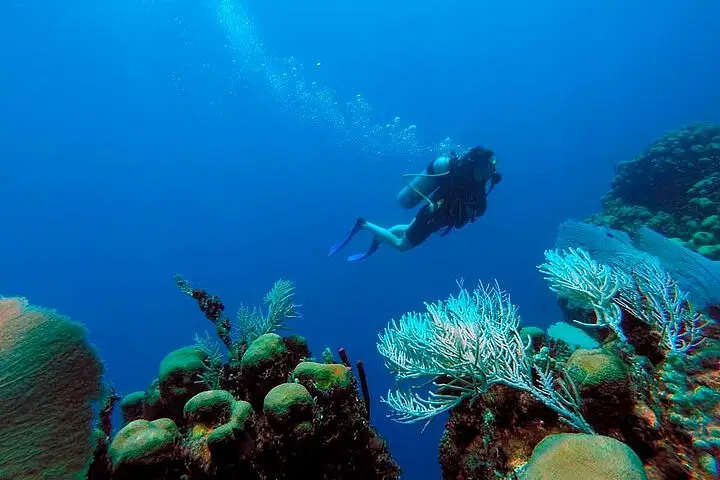
The stretch everyone wants. Lower humidity, steadier sunshine, and rain that tends to arrive as a short afternoon shower rather than a wet day. The sea is generally calmer and clearer, which matters if you have booked diving at Catalina Island or a boat day.
The drawback: this is peak season. Flights and hotels cost the most, resorts run full, and popular excursions sell out days in advance rather than hours. Christmas through the first week of January and the Easter period are the most expensive and most crowded windows of the entire year.
Wet season, May to November
Higher humidity, warmer nights, and more rain, though the shape of the rain surprises people. It is usually a heavy downpour for 30 to 60 minutes, often late in the day, followed by sunshine. Full washed-out days exist but are the exception, not the rule. The greenery is at its best and the light after a storm is the best photography of the year.
The drawback: it overlaps with hurricane season, humidity is genuinely heavy in August and September, and boat trips are more likely to be moved or cancelled for sea conditions.
Hurricane season and what it actually means
Atlantic hurricane season officially runs from June 1 to November 30, with activity typically peaking between August and October. That is a real consideration and it deserves a straight answer rather than either panic or dismissal.
Most trips during hurricane season are completely unaffected. A named storm passing close enough to disrupt a Punta Cana vacation is not a common event in any given week. But the risk is not zero, and it clusters in that August-to-October window. If you travel then, two things make it manageable: buy travel insurance that covers weather disruption, and book with operators who will move or refund you rather than sail into bad conditions. Every one of our tours carries free cancellation up to 24 hours before, and when the sea is not safe we reschedule. That policy exists precisely for this season.
High season, low season and what you pay
| Period | Crowds and prices | Weather |
| Mid-December to early January | Highest of the year | Excellent |
| January to March | High | Excellent, the driest stretch |
| Easter week and April | High at Easter, easing after | Very good |
| May to early June | Low, strong value | Good, increasing rain |
| July to August | Moderate, family travel peak | Hot and humid, wettest feel |
| September to October | Lowest of the year | Hurricane season peak |
| November | Low until late in the month | Improving steadily |
Note that our excursion prices do not swing with the season. Saona Island is $89 per adult and $45 per child in February and in September alike. What changes seasonally is flights and hotels, sometimes dramatically. The full catalog with fixed year-round pricing is on the tours page.
Sargassum: the thing most weather guides leave out
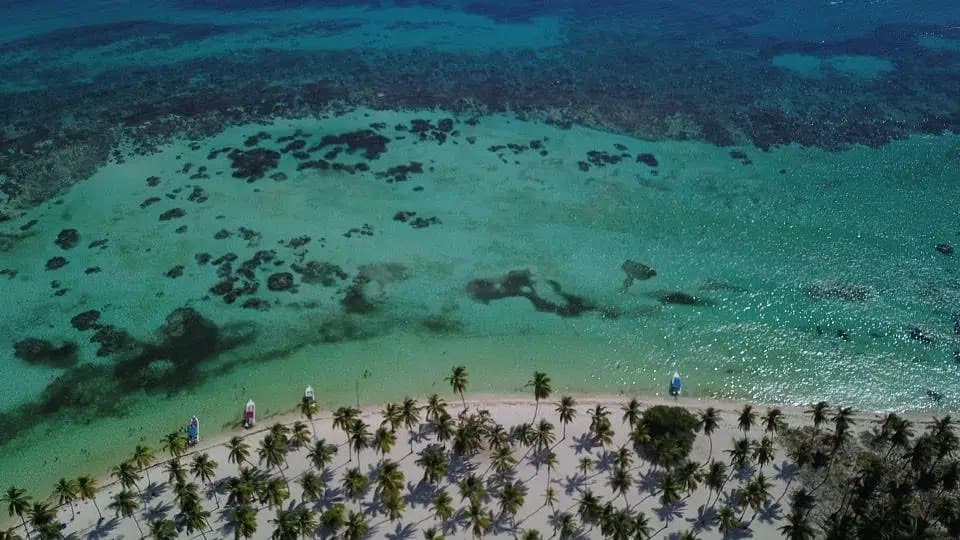
Sargassum is the brown floating seaweed that washes up on Caribbean beaches, and it is the single most underreported factor in choosing when to come. It typically shows up between roughly March and August, and it varies enormously from year to year and from beach to beach along the same coastline. Some seasons are barely noticeable. Others bring visible accumulation on the east-facing shore.
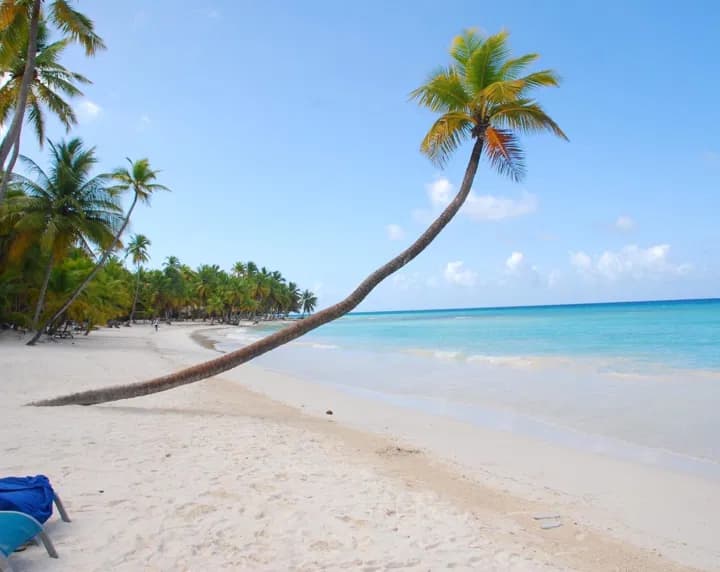
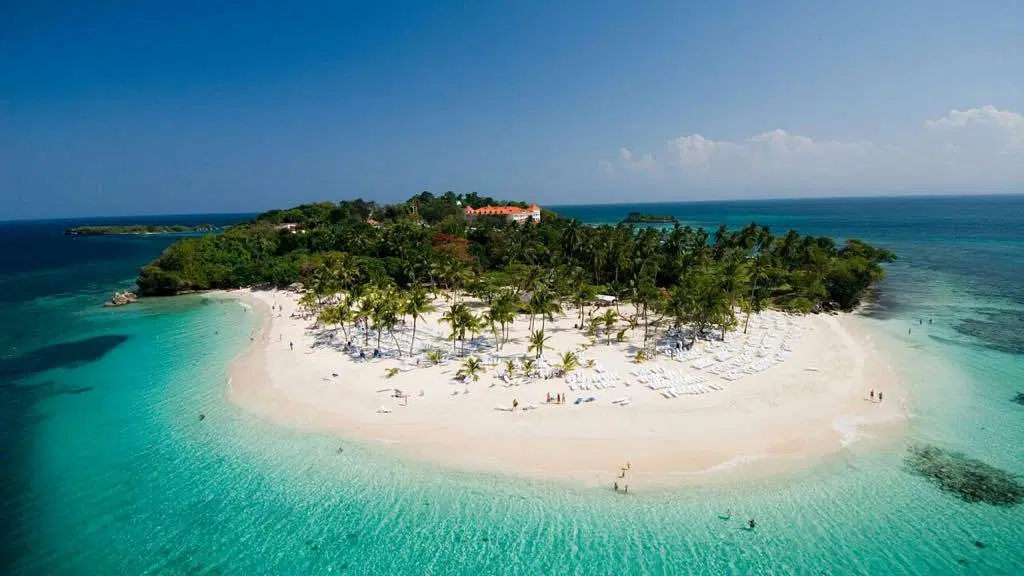
Two things are worth knowing. First, most large resorts clear their beach daily, so the experience at a maintained property is usually far better than photos circulating online suggest. Second, sargassum does not affect the island trips at all in the same way; the beaches on the Saona and Cayo Levantado side of a trip are frequently clear when the mainland shore is not. If seaweed is a dealbreaker for you, travel between December and February and you will almost certainly avoid the question entirely.
Best time to visit Punta Cana for specific activities
- Diving and snorkeling. December through April, when visibility and sea conditions are at their most reliable. Catalina Island in particular rewards a calm-water day.
- Whale watching in Samana. Humpbacks gather in Samana Bay roughly from mid-January to mid-March, with February the most reliable month. Note that our Samana Cayo Levantado trip is a beach and bay day rather than a dedicated whale excursion, so if whales are your goal, ask us first and we will tell you honestly what the day includes at the time you are traveling.
- Boat trips and catamarans. Dry season for calm water. In the wet season expect a higher chance of your date being moved.
- Land-based adventure. Any month. Buggies, parks and ziplines run year-round, and the wet season simply means the mud on a buggy tour is more authentic.
- Nightlife and city trips. Season-independent. A Santo Domingo city tour is arguably better in the cooler dry-season months, since you are walking the Zona Colonial rather than sitting on a beach.
- Budget travel. September and October, without question, if you accept the hurricane-season trade-off and insure the trip.
Month by month, briefly
January. Dry, breezy, busy. Excellent conditions, high prices. Whale season begins in Samana.
February. Arguably the best all-round weather month, and the peak of whale season. Book excursions early.
March. Still dry and reliable. Spring break brings a younger crowd to some resorts, and sargassum can begin appearing.
April. Very good weather, and prices ease considerably once Easter has passed. An underrated month.
May. The value sweet spot. Rain increases but is usually brief, crowds thin out, and the sea is still pleasant.
June. Hot and humid, hurricane season opens, but early-season storm activity is historically low. Good prices.
July and August. The hottest and most humid stretch, and a family travel peak that keeps resorts busier than the weather alone would suggest. August is when hurricane risk begins climbing.
September and October. The cheapest and quietest months, and the peak of hurricane season. Some smaller businesses close for maintenance. Travel insurance is not optional here.
November. Rain tapers off and the sea settles. The last two weeks are one of the best value-to-weather trades in the calendar.
December. Weather turns excellent early in the month while prices are still moderate. From mid-month onward, both crowds and rates climb sharply.
Planning around the season you pick
Whichever month you choose, two things reduce the weather's ability to spoil anything. Book the flexible things flexibly: our excursions cancel free up to 24 hours out, so you can watch the forecast mid-week and shift a boat day to Thursday without penalty. And do not schedule your one big island trip for your last full day, because if the sea is rough there is no room left to reschedule it. Put boat days early in the week and land activities late.
Arriving is the one thing that does not change with the season. Flights land at PUJ year-round and our airport transfer rates are the same in February as in September, round trip from $25 per person depending on your zone. If you are weighing two travel windows and want a straight opinion about which one suits your plans, message us through the contact page. We have no reason to talk anyone into September and every reason to tell them the truth about it.